When Angela Gorman first decided to help a maternity hospital in Chad, she did not have a large organisation behind her. She had no major funding network, no international office, and no carefully prepared campaign. She simply had a strong belief that women should not die because basic medication was unavailable.
After watching a television programme about maternal deaths in Chad, Angela contacted others who had also been moved by what they had seen. Through her work with UNISON, she explained the desperate conditions faced by pregnant women and asked whether the branch would support the hospital. The branch agreed to donate £5,000.
At first, the amount seemed modest when measured against the scale of the crisis. Women were dying from severe bleeding, infection, eclampsia, and other complications that could often be treated. Hospitals were struggling without reliable supplies, and families were expected to purchase medication before care could begin.
Angela worked with International Health Partners, an organisation able to obtain and deliver high quality medical supplies. The donation was used to provide medication to the hospital where Dr Grace Kodindo worked. Every item had to be distributed free of charge so that women without money could still receive treatment.
The effect was greater than anyone expected.
Before the medication arrived, the hospital was losing at least one woman every day. In some months, between thirty and forty mothers died. After the supplies became available, medical staff estimated that around twenty five women each month who might previously have died were now surviving. The newborn death rate also fell from twenty three percent to seven percent.
These were not abstract numbers. Each mother who survived returned to children who needed her. Each newborn who lived had a chance to grow. Families were spared grief, instability, and financial hardship. A donation that began as one branch’s response to a television programme became a practical example of how direct support could save lives.
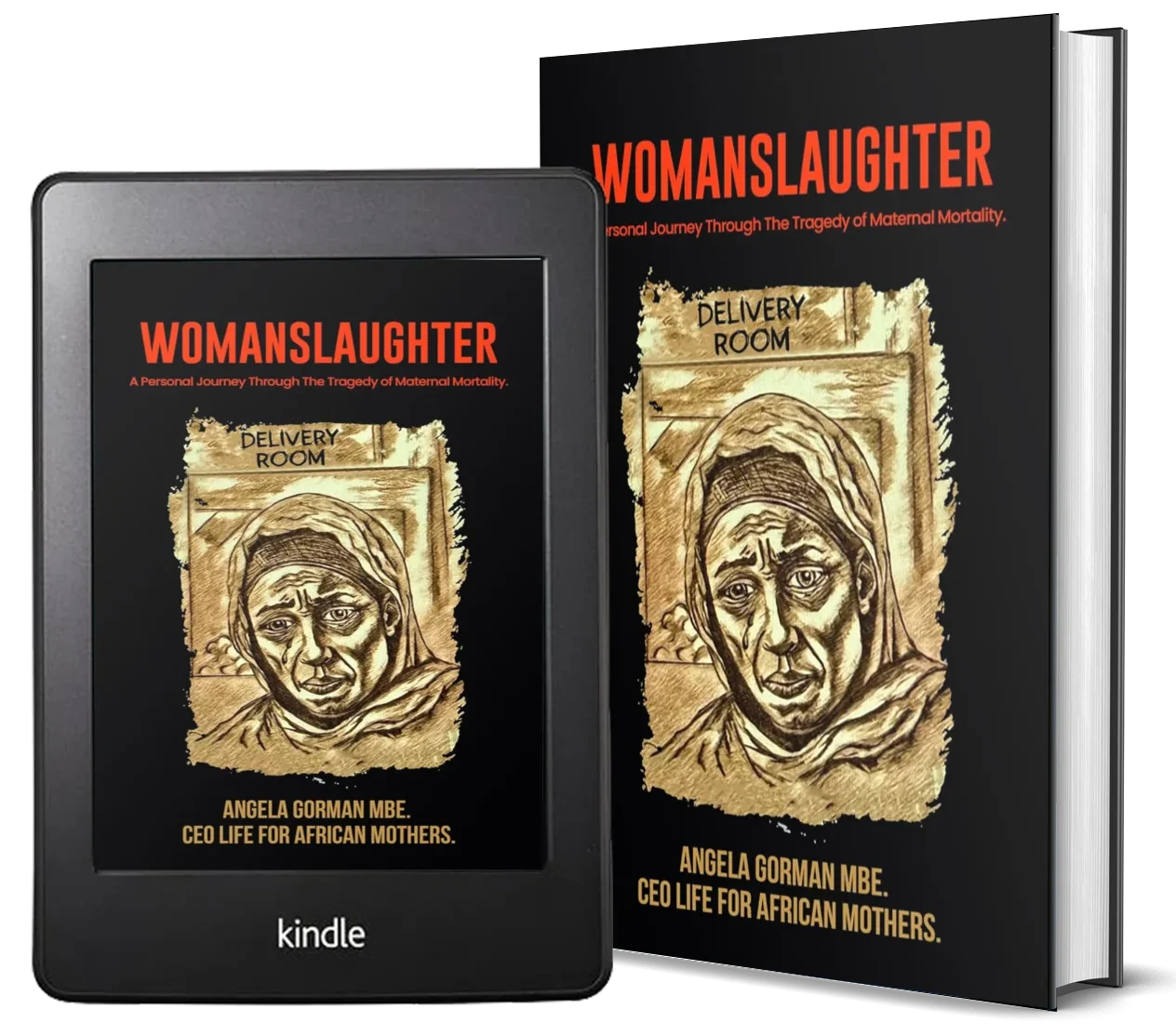
In Womanslaughter: A Personal Journey Through the Tragedy of Maternal Mortality, Angela Gorman shares the events that turned compassion into action. She writes about the people who donated, the doctors and midwives who worked with limited resources, and the mothers whose survival depended on medication that should have been available all along.
The book shows that meaningful change does not always begin with millions of pounds or powerful institutions. Sometimes, it begins with one person speaking up, one group choosing to help, and one donation reaching the right place at the right time.
Womanslaughter is a moving account of courage, nursing, humanitarian service, and the extraordinary difference ordinary people can make.
Find out in this essential read, available on Amazon https://www.amazon.com/dp/B0H8FKFQBZR