Angela Gorman’s life changed on an ordinary evening in June 2005. After a long and exhausting shift as a senior neonatal nurse, she sat down to watch television before going to bed. She almost switched it off, but a programme about maternal deaths in Chad caught her attention.
What she saw stayed with her.
The programme showed young women and girls dying from pregnancy and childbirth complications that could have been treated. One girl died from eclampsia. Another died after an unsafe abortion because her family struggled to find the money for antibiotics. These were not rare or mysterious illnesses. They were conditions Angela recognised from her years in nursing.
The difference was simple and painful. In the United Kingdom, the necessary medication was readily available. In Chad, women died because they could not access it.
As Angela watched Dr Grace Kodindo speak about losing several women within only a few days, she felt unable to turn away. Dr Grace’s frustration and determination reflected the same feelings Angela had experienced during difficult hospital shifts. Both women understood what it meant to keep working while knowing that lives depended on the resources available to them.
When the programme ended, Angela did not go to bed. She made a cup of coffee, opened her laptop, found the programme’s website, and wrote an email asking how she could help.
That simple action became the first step in a journey she could never have predicted.
Angela initially hoped to help one hospital by providing medication. Through her trade union branch, she secured financial support and began working with organisations capable of obtaining and delivering medical supplies. Donations followed, along with public support, interviews, meetings, and new partnerships.
Soon, Angela travelled to Chad and entered the hospital she had seen on television. There, she witnessed the conditions faced by mothers, babies, doctors, and midwives. She also saw the medication funded by her campaign being used to save a young woman’s life.
That was the moment hope became evidence.
Angela realised that one person did not need to solve the entire crisis to make a difference. One person could send an email. One person could ask for help. One person could speak to a group, raise money, deliver supplies, and encourage others to become involved. Each action could protect a mother, save a baby, and keep a family together.
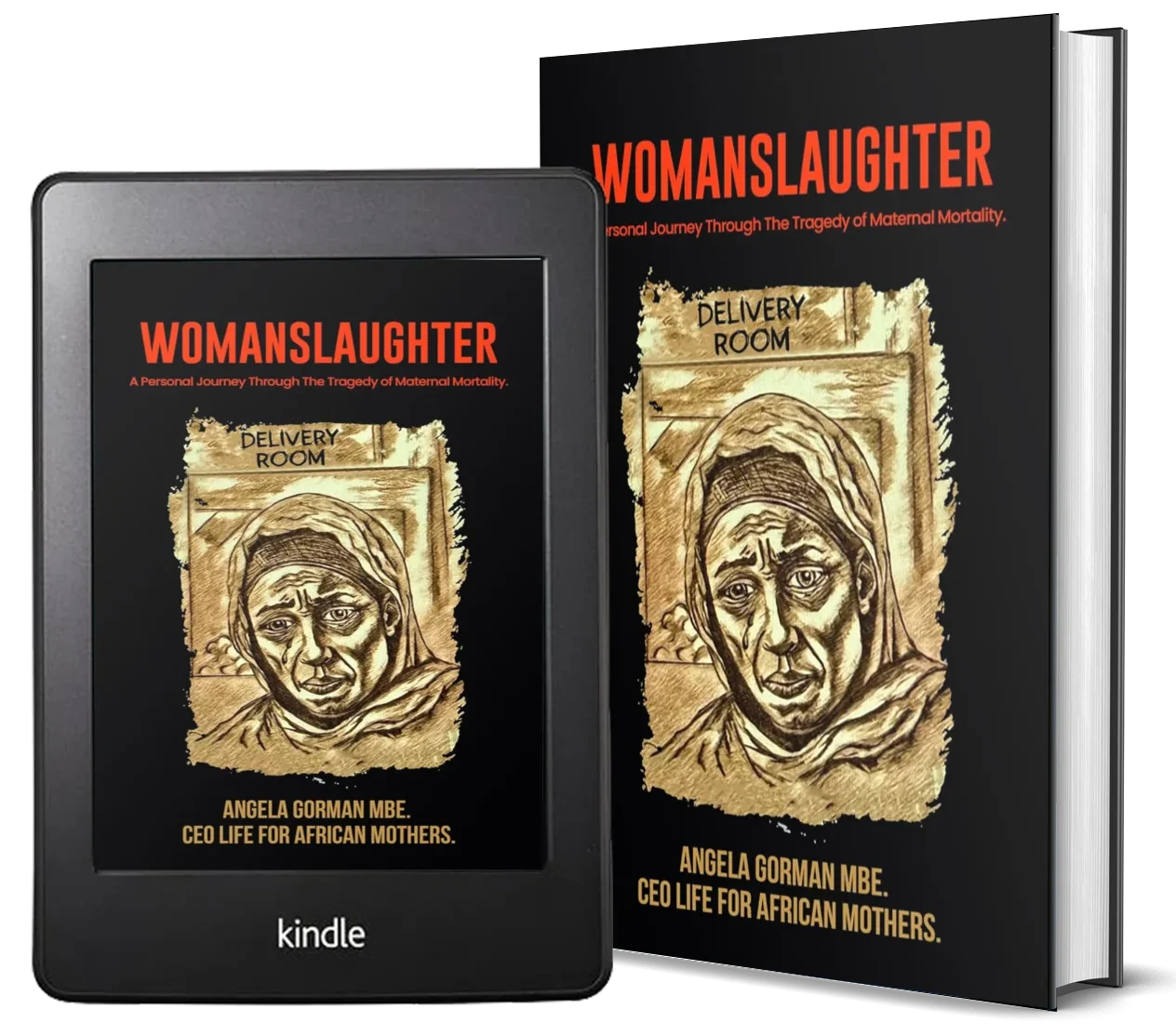
In Womanslaughter: A Personal Journey Through the Tragedy of Maternal Mortality, Angela shares how a single decision grew into years of humanitarian work and advocacy.
Her story reminds readers that meaningful change often begins quietly. Sometimes, it begins when one person refuses to switch off, walk away, or assume that someone else will act.
Find out in this essential read, available on Amazon https://www.amazon.com/dp/B0H8FKFQBZR