Compassion often begins with a moment of discomfort: a story that is difficult to hear, an image that is impossible to forget or the sudden realization that another person is suffering from something that should have been prevented. For Angela Gorman, MBE, that moment arrived on an ordinary evening in 2005 and became the beginning of an extraordinary mission.
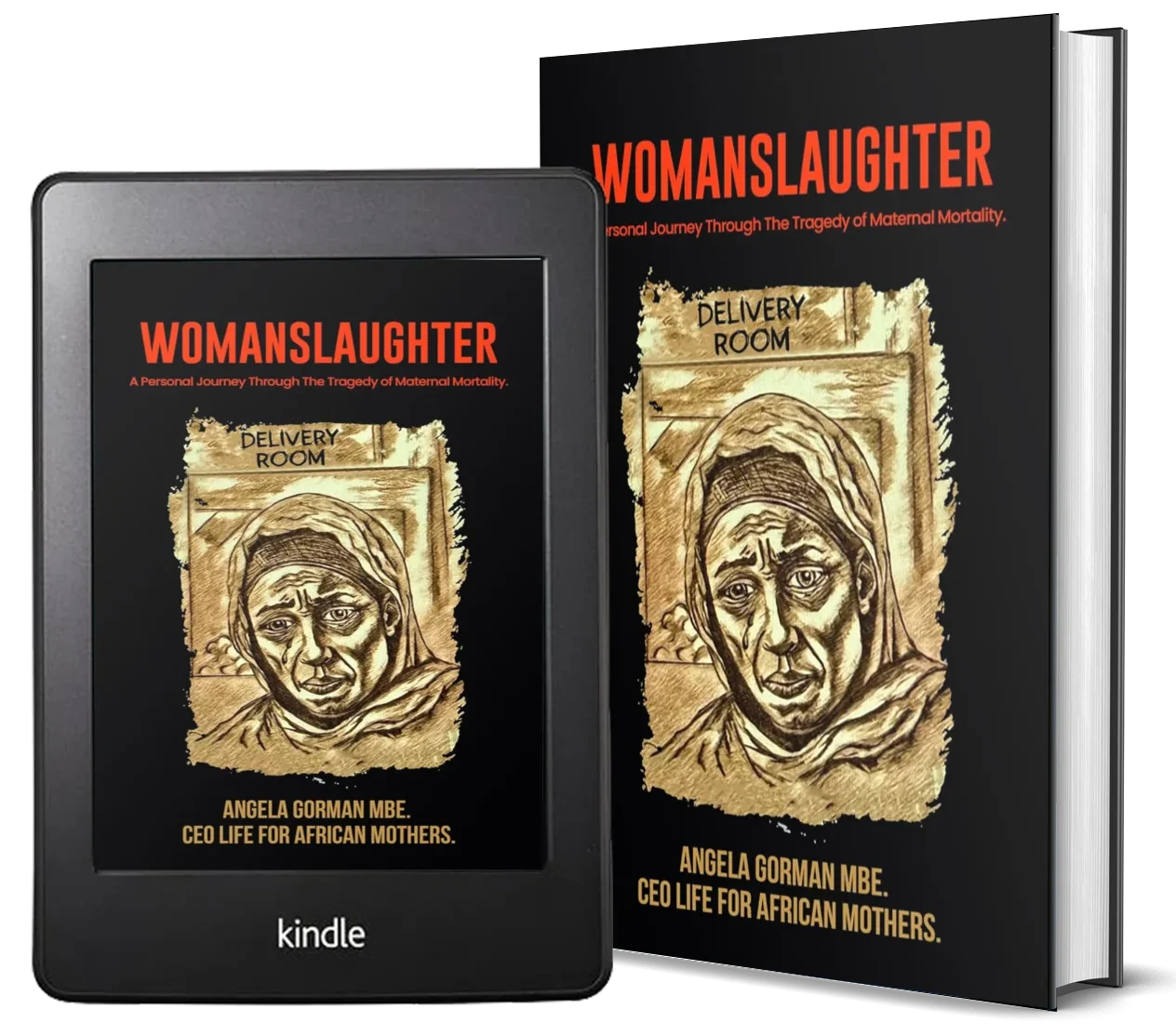
In WOMANSLAUGHTER: A Personal Journey Through The Tragedy of Maternal Mortality, Angela recounts how a television documentary transformed her understanding of childbirth, inequality and personal responsibility. At the time, she was 57 years old and working as a senior neonatal intensive care nurse. After an exhausting shift, she watched the BBC Panorama programme Dead Mums Don’t Cry, which showed pregnant women in Chad dying because hospitals lacked basic medications and medical resources.
Angela could easily have switched off the television, felt briefly upset and returned to her normal routine. Instead, she opened her laptop and wrote an email. That simple decision changed the direction of her life.
What followed was not a carefully planned career change. Angela did not begin with a large organisation, extensive funding or a detailed international strategy. She began with concern, determination and a desire to help one hospital. Gradually, that desire developed into practical action, including fundraising, sourcing medication, building professional relationships and travelling to some of Africa’s most challenging maternity wards.
The experiences described in WOMANSLAUGHTER reveal why compassion alone is not enough. Angela witnessed women giving birth without reliable electricity, midwives working with inadequate equipment and families being asked to purchase medication before lifesaving treatment could begin. She saw healthcare professionals who understood exactly what their patients needed but were unable to provide it because the necessary resources were unavailable.
These encounters transformed her compassion into a lasting calling.
Through the organisation that became Life for African Mothers, Angela helped connect hospitals with essential medicines, professional training, donors, midwives and international partners. The results were not abstract. After medication was supplied to one hospital in Chad, Angela was informed that maternal deaths had fallen significantly and that the newborn mortality rate had dropped from 23 percent to 7 percent.
Over approximately 20 years, Life for African Mothers contributed more than six million Misoprostol tablets across all or part of seven countries. Angela estimates that around two million women received the medication free of charge.
Yet the emotional foundation of the book reaches back much further. Angela’s paternal grandmother, Hannah Granville, died in 1915 following premature labour and catastrophic postpartum haemorrhage. When Angela later obtained her grandmother’s death certificate, she realised that she had spent years fighting the same condition that had taken Hannah’s life.
This connection gives WOMANSLAUGHTER its deepest sense of purpose. It is not simply a record of humanitarian work. It is a story about family, legacy, preventable loss and the responsibility to act when injustice becomes impossible to ignore.
Angela Gorman’s journey demonstrates that a calling does not always arrive with certainty. Sometimes it begins with one upsetting story, one unanswered question and one decision to do something rather than assume someone else will.
WOMANSLAUGHTER invites readers to witness that transformation and to consider what their own compassion might become when turned into action.